How to bring your hair back to life after summer with vegan products. My routine, ingredients that actually work, masks, and frequently asked questions. A complete step-by-step guide.
Summer leaves us recharged, sun-kissed, and loaded with memories. But there’s one part of us that tends to pay a pretty steep price during those vacation months: our hair.
If you’ve been running your fingers through your ends lately and they feel rough and straw-like, if your color has lost all its shine, or if you’re battling frizz that won’t respond to anything, I know exactly what you’re going through. The same thing happens to me every fall when I look in the mirror after getting back from vacation.
During the summer months, hair is constantly exposed to a combination of seriously harsh environmental factors. UV radiation from the sun, chlorine in pools, sea salt building up in the hair fiber, constant wind, and tight updos all chip away at your hair’s protective structure over time.
Internal moisture evaporates at an alarming rate, the cuticle scales lift and leave the core of the strand exposed, and the natural keratin starts breaking down.
The good news is that getting your softness, elasticity, and natural movement back doesn’t require harsh synthetic treatments. Vegan, plant-based hair care offers powerful, sustainable, and gentle alternatives that really deliver.
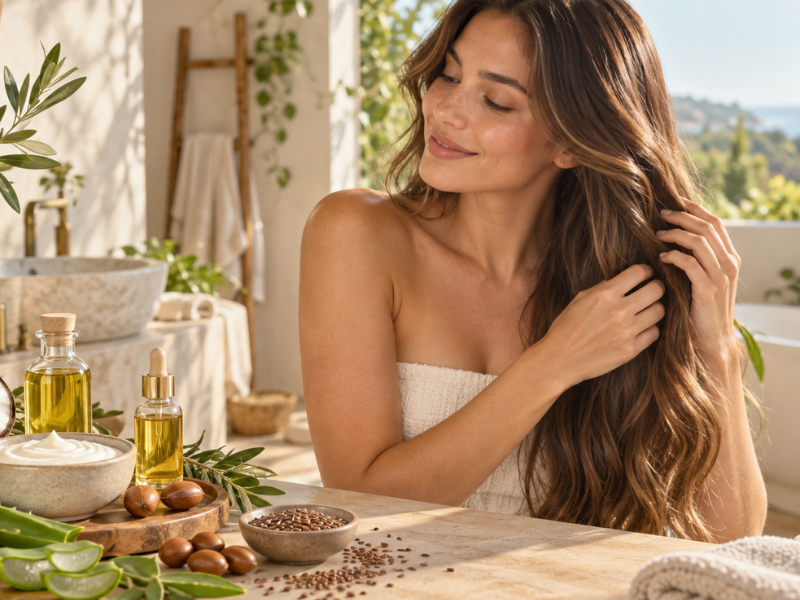
Image generated for illustrative purposes
This post contains affiliate links; see the disclaimer for details.
Why does summer wreck your hair’s structure?
To fix a problem effectively and for the long haul, you first need to understand what actually happens to the hair fiber when it’s exposed to summer conditions.
Each strand of hair is made up of three layered structures: the medulla at the center, the cortex in the middle layer (where strength, elasticity, and color pigments live), and the cuticle on the outside, formed by overlapping cell layers that work like roof shingles to protect everything underneath.
When summer hits, that delicate balance gets disrupted by several external factors working together.
The impact of sun exposure and UV rays
Just like skin suffers sunburn and premature aging without protection, the hair fiber undergoes intense photochemical damage from UVA and UVB radiation.
UV rays penetrate the cortex and break the amino acid chains that make up keratin, the key protein responsible for your hair’s structure, flexibility, and strength.
As keratin breaks down, the strand becomes fragile, loses molecular weight, and snaps at the slightest tug. On top of that, sun exposure rapidly oxidizes melanin pigments, which is why hair lightens in summer but at the cost of losing its natural shine, taking on brassy, yellowish, or dull tones instead.
The double hit of sea salt and pool chlorine
Ocean water has a high salt concentration and a slightly alkaline pH. When we swim in the sea and let our hair air-dry without rinsing it with fresh water, the water evaporates but the salt crystals stay lodged between the cuticle scales.
These tiny crystals act like microscopic sponges, soaking up whatever moisture the strand has left. On top of that, brushing hair with salt crystals trapped inside creates mechanical friction that tears the cuticle from the outside.
Meanwhile, chlorine used to disinfect pools is a potent oxidizing agent. Its job is to kill bacteria and organic matter, but when it contacts hair it strips away the natural protective lipids that coat the scalp and the strand.
Without that lipid film, moisture escapes uncontrollably. In blonde or bleached hair, chlorine can react with trace metals like copper in the water, causing those dreaded greenish tones.
The disruption of your scalp’s balance
Let’s not forget the roots. During the hot months, increased sweating combined with hats and tight hair ties throws off the scalp’s equilibrium.
Sweat contains salts and urea that, if not cleaned often enough, can lead to irritation, flaking, itching, and an imbalanced scalp microbiome. A scalp that’s out of balance or inflamed can’t properly nourish the hair follicle, which means the hair that grows in comes out weaker and more prone to shedding once fall rolls around.
Vegan ingredients that help rebuild the hair fiber
When choosing vegan hair care products for damaged hair, slapping a cruelty-free label on it isn’t enough. It’s essential to learn how to read the ingredient list (INCI) so you can identify which plant-based actives are in the formula and in what proportion.
To revive hair that’s been through the wringer all summer, you need to combine two main ingredient families: humectants (which attract and lock water into the strand) and nourishing or lipid-based agents (which deliver healthy fats to seal the cuticle and restore the protective barrier).
Humectants and hydrators
- Organic aloe vera: aloe vera juice is a true lifesaver for dry hair. It contains over 75 active nutrients, including vitamins A, C, E, and several B vitamins, minerals like zinc and magnesium, and mucilage that can hold onto large amounts of water. When applied to hair, it absorbs easily without leaving any heavy or greasy feeling behind.
- Plant-derived hyaluronic acid: typically produced through bacterial fermentation, plant-based hyaluronic acid can hold up to a thousand times its weight in water. On hair, it creates an invisible moisture film around the strand that plumps up dehydrated areas and tames frizz.
- Vegetable glycerin: derived from plant oils like coconut or palm, glycerin is a classic humectant that’s extraordinarily effective. It pulls moisture from the environment into the hair fiber, keeping your hair flexible and soft throughout the day.
Nourishing and lipid agents: sealing the structure and delivering softness
- Cold-pressed argan oil: often called Moroccan liquid gold, this plant oil is exceptionally rich in essential fatty acids (oleic and linoleic) and vitamin E (tocopherol). It penetrates the middle layers of the hair to add flexibility from the inside while polishing the outer cuticle, leaving a healthy-looking shine without weighing your style down.
- Hydrolyzed wheat, soy, and rice proteins: since hair is primarily made of protein (keratin), when that protein degrades you need to feed it small amino acids that can fit into the cracks in the strand. Hydrolyzed plant proteins act like temporary molecular patches that boost strand thickness, improve tensile strength, and reduce breakage at the ends.
- Shea butter: extracted from the nuts of the shea tree, this butter is a rich source of triglycerides and phytosterols. It’s the perfect ingredient for the most damaged areas, like split ends or porous sections. It creates a lasting lipid barrier that prevents moisture loss and shields against mechanical damage.
- Jojoba oil: despite the name, it’s technically a liquid wax with a chemical makeup that’s nearly identical to the natural sebum produced by our own sebaceous glands. That makes it uniquely effective: it helps regulate oil production at the roots when things are off balance while nourishing dry ends without any greasy or heavy residue.
Recommended vegan products for your recovery routine
To put this recovery protocol into practice, here’s a curated selection of vegan hair care products that can help bring your hair back:
1. Gentle vegan shampoos
Freshly Cosmetics – Intense Bond-Restoring Shampoo: built for dry, dull, or damaged hair. Its formula uses gentle surfactants and pairs humectants like glycerin and betaine with conditioning actives. It cleanses without sulfates and helps keep hair hydrated, soft, and less frizzy. You can find it on their website.
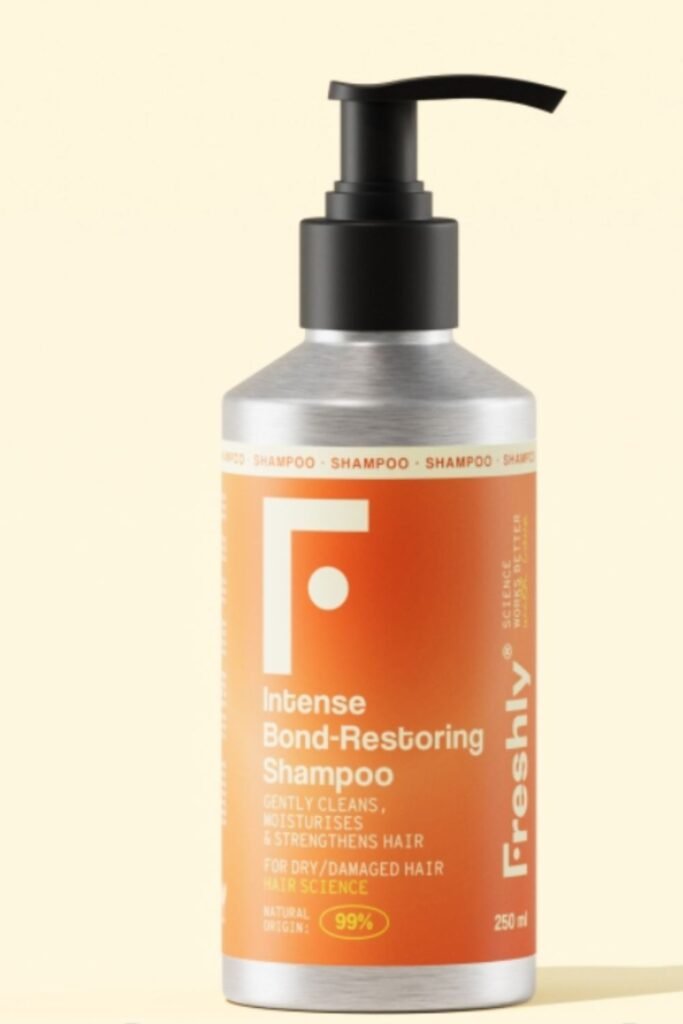
Freshly Cosmetics – Intense Bond-Restoring Shampoo
Aveda – Botanical Repair Strengthening Shampoo: a great swap for those overly stripping shampoos when your hair is already beat up. Its vegan, silicone-free, sulfate-free formula cleanses gently while helping strengthen the fiber and reduce fragility. Safe for color-treated or chemically processed hair too. Easy to find on Amazon.
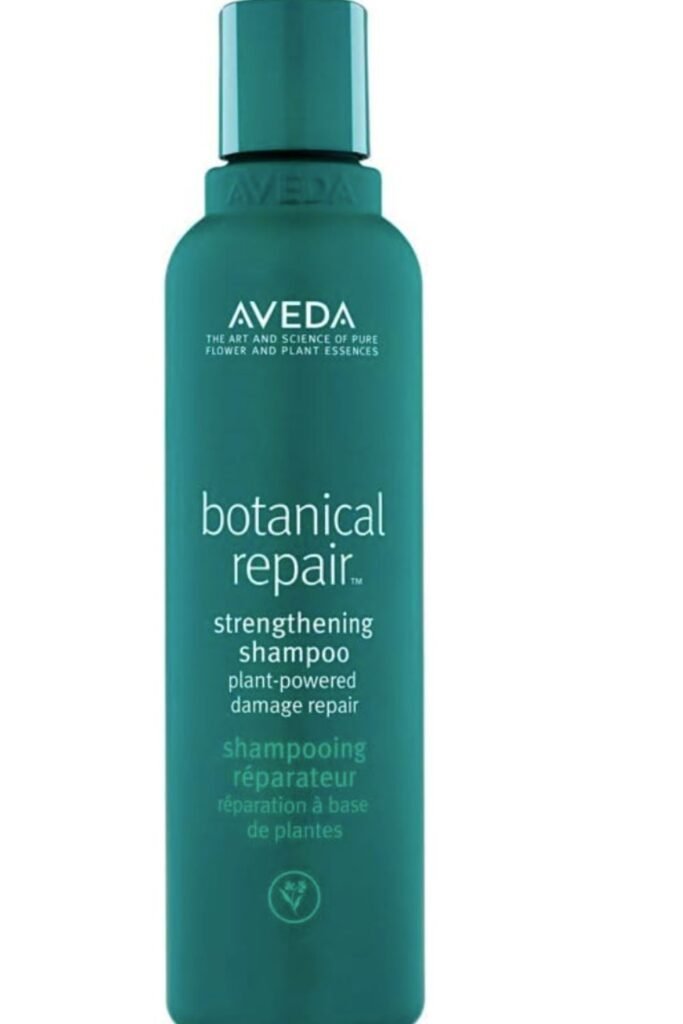
Aveda – Botanical Repair Strengthening Shampoo
Cocunat – Rich Shampoo: a vegan, cruelty-free shampoo especially suited for dry, damaged, curly, or color-treated hair. Formulated without sulfates or silicones, it uses gentle surfactants alongside conditioning ingredients to help maintain hydration, cut down on frizz, and reduce the risk of breakage. Here’s the link.
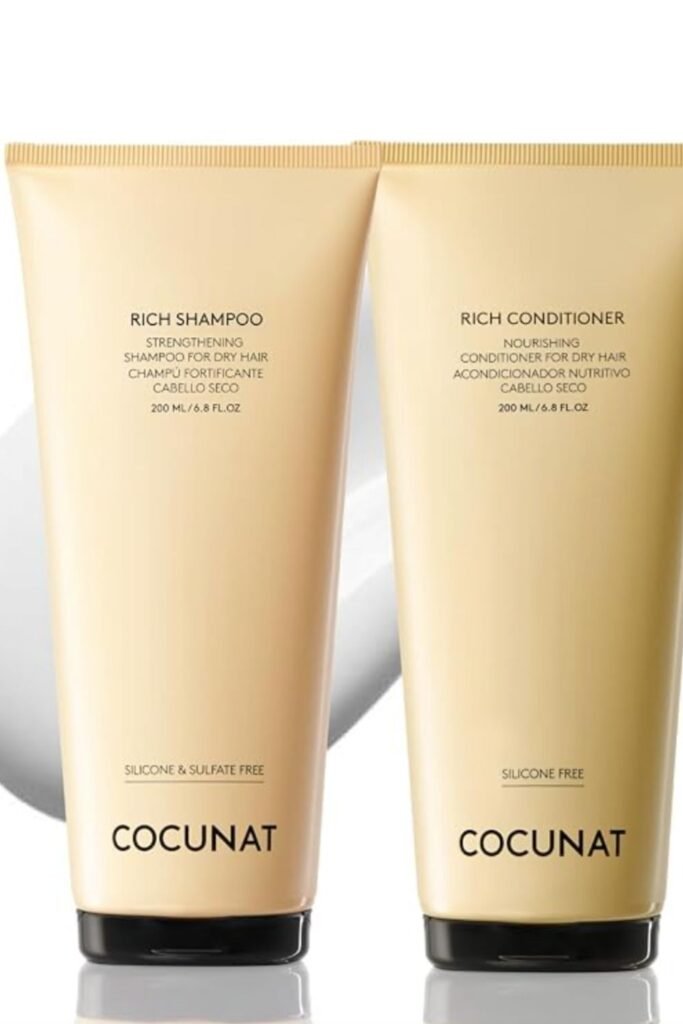
Cocunat – Rich Shampoo
2. Intensive masks for damaged hair
Maria Nila – Structure Repair Masque: a 100% vegan mask designed for dry, brittle, or chemically treated hair. Its formula deeply conditions and hydrates, featuring algae extract that helps improve strength, softness, and the overall look of the hair fiber. Here’s the link.
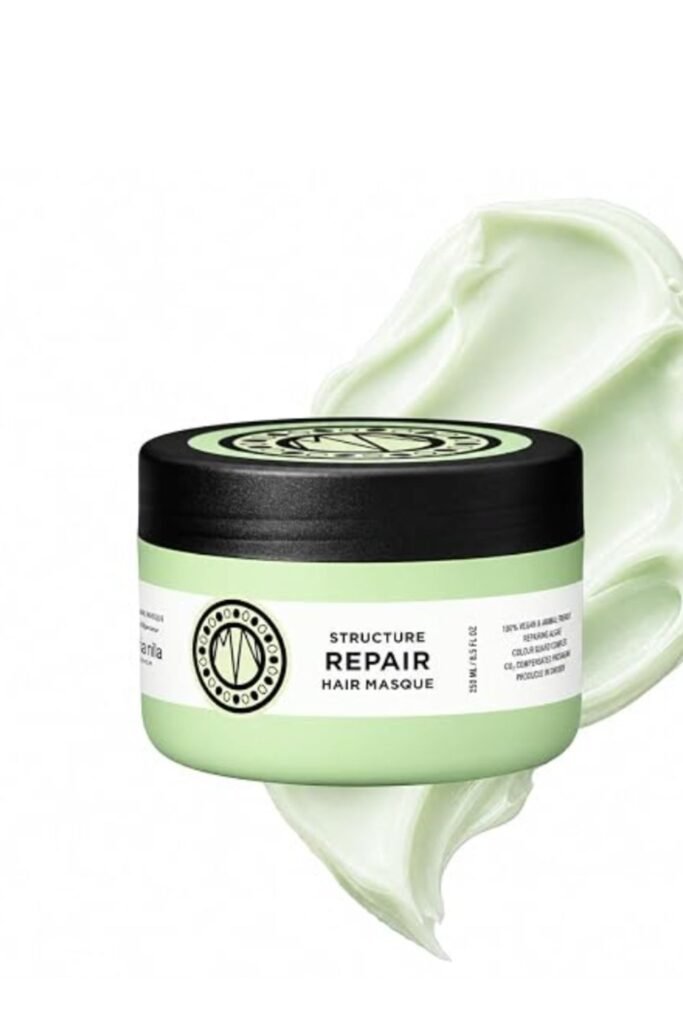
Maria Nila – Structure Repair Masque
Briogeo – Don’t Despair, Repair! Deep Conditioning Mask: a vegan mask that combines hydrating ingredients with proteins to condition dry or seriously damaged hair. Regular use helps boost fiber strength and cut down on breakage, making it especially worth it after long stretches of sun exposure, heat, or chemical processing. Yes, it’s pricey, but it works incredibly well. Here’s the Amazon link if you’re interested.
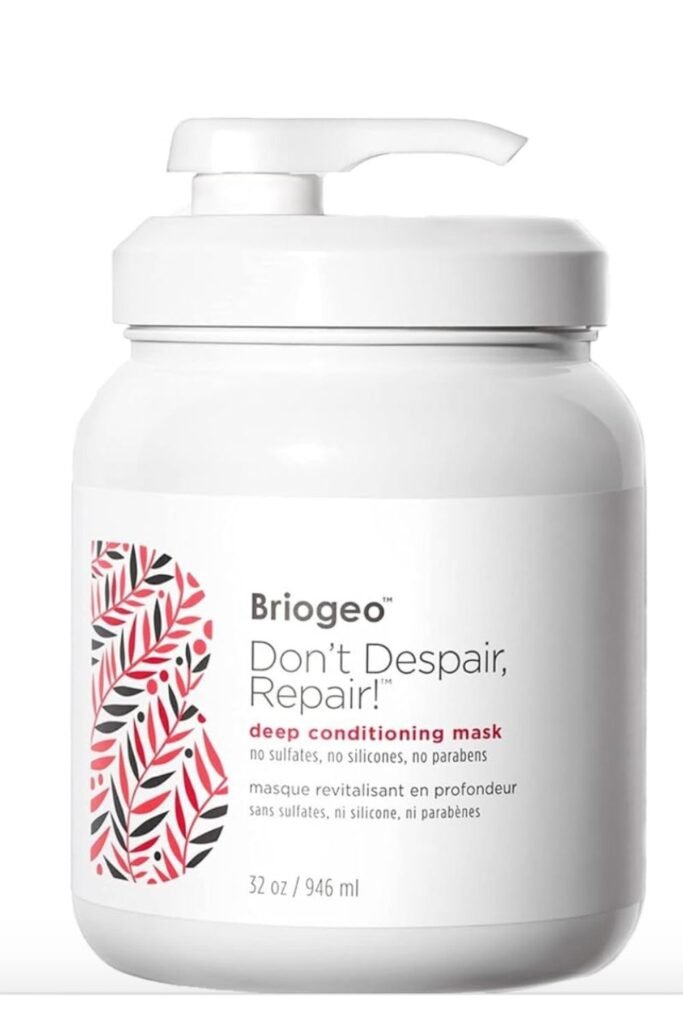
Briogeo – Don’t Despair, Repair! Deep Conditioning Mask
Garnier Fructis – Hair Food Banana 3-in-1: a more budget-friendly option for dry hair. Its formula is vegan, made with 97% naturally derived ingredients, and silicone-free. It can be used as a conditioner, a mask, or a leave-in treatment to deliver nourishment, softness, and easier detangling. You can grab it at most major drugstores, but here’s the online link too.
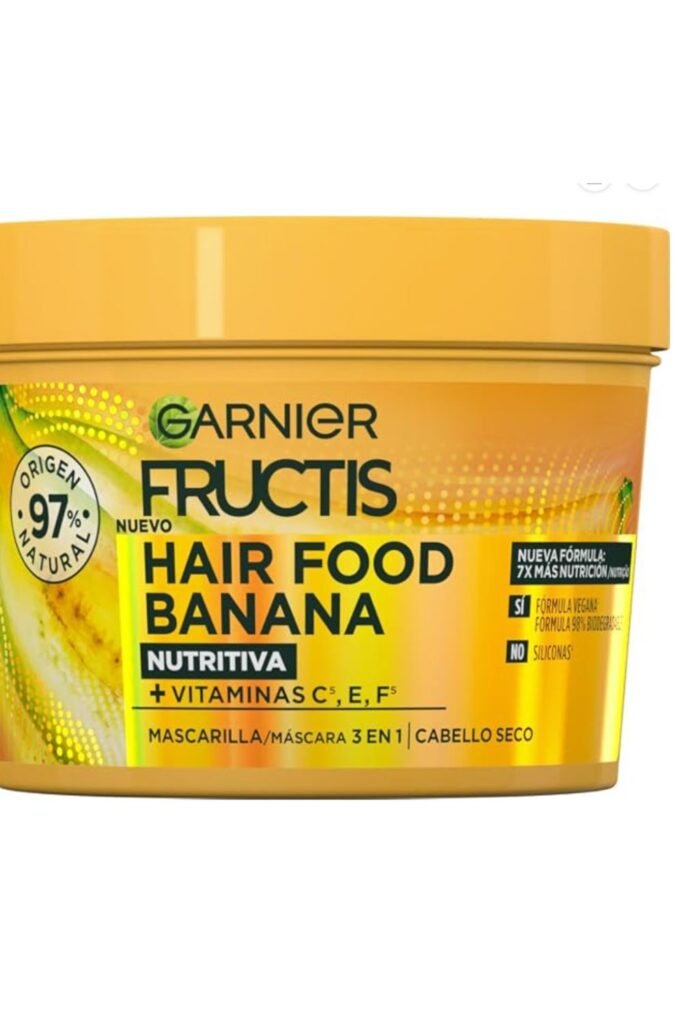
Garnier Fructis – Hair Food Banana 3-in-1
3. Conditioners to smooth and protect the cuticle
Rahua – Hydration Conditioner: a vegan conditioner especially well suited for dry, thick, curly, or frizz-prone hair. It blends plant-based ingredients like mango sugars, sacha inchi oil, and hydrolyzed quinoa to deliver hydration, softness, and easier detangling. Find it here.
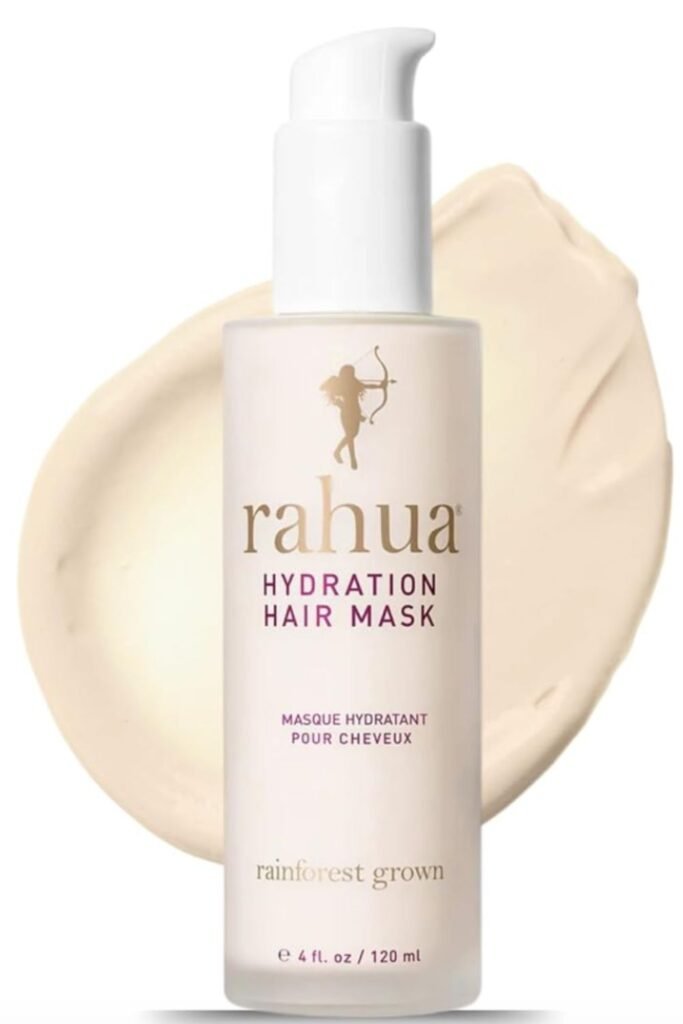
Rahua – Hydration Conditioner
Aveda – Nutriplenish Conditioner Deep Moisture: a vegan conditioner specifically designed for medium to thick hair that needs serious hydration. Its blend of plant oils and butters helps condition the fiber, relieve dryness, and leave hair more flexible and manageable. Here’s the link for all the details.
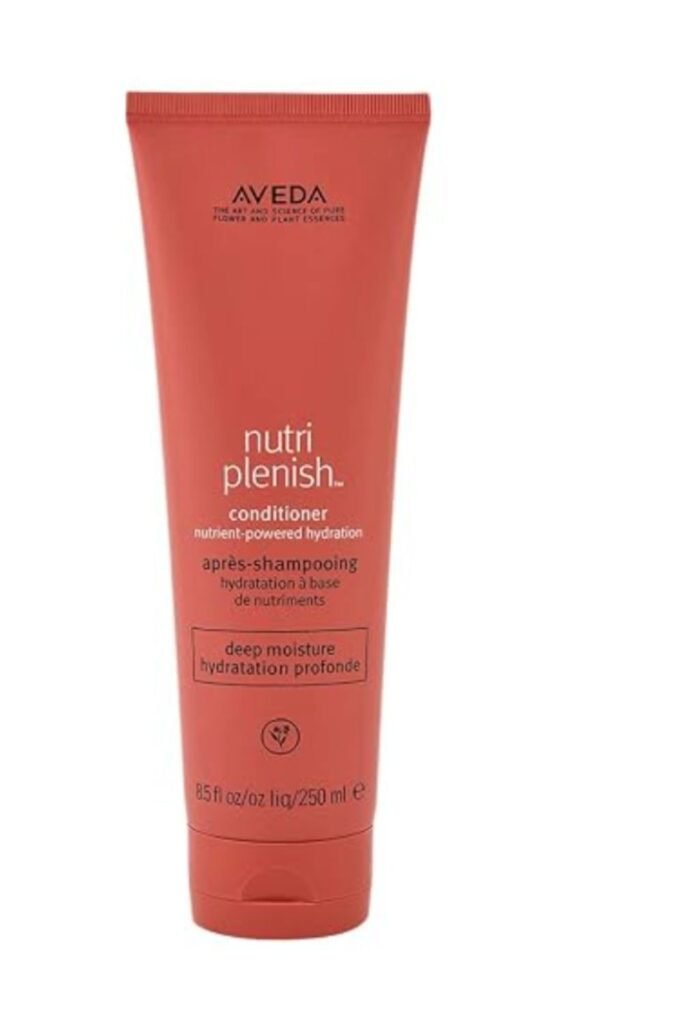
Aveda – Nutriplenish Conditioner Deep Moisture
4. Serums, oils, and leave-in treatments
Olaplex – No. 7 Bonding Oil: a lightweight, concentrated vegan oil that boosts shine, smooths hair, and tames frizz. It also provides heat protection up to 450°F and can help reduce breakage from styling and frequent use of hot tools. You can find it on Amazon or Stylevana.
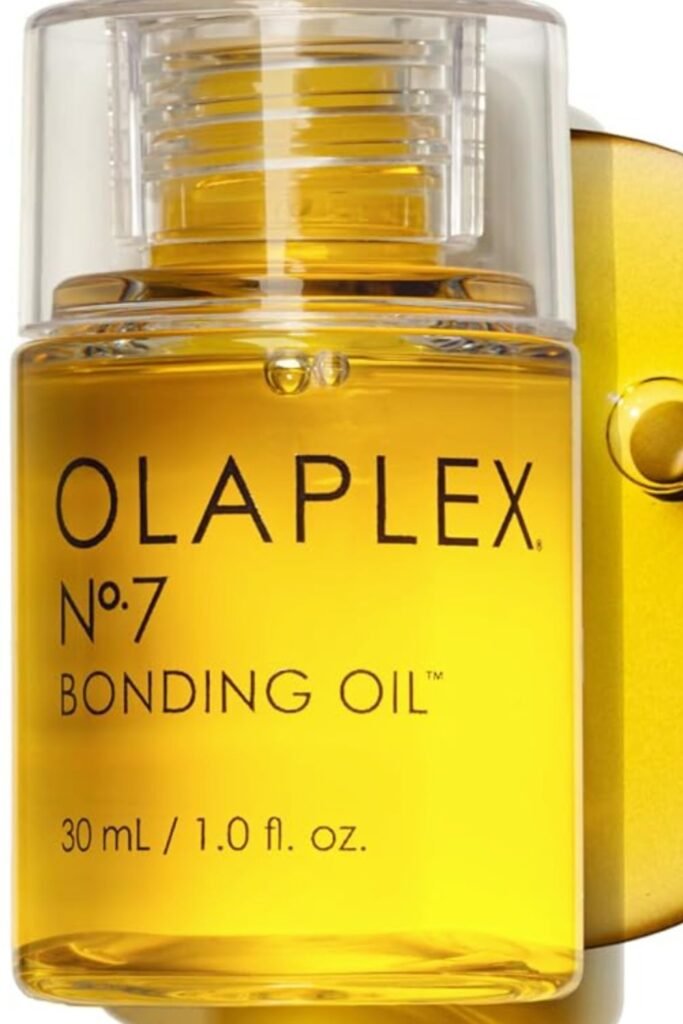
Olaplex – No. 7 Bonding Oil
Briogeo – Farewell Frizz Rosarco Milk Leave-In Conditioning Spray: a vegan leave-in treatment formulated to hydrate, detangle, and control frizz. It features rosehip, argan, and coconut oils and can be used on damp hair before styling to keep it softer and more protected. Here’s the link.
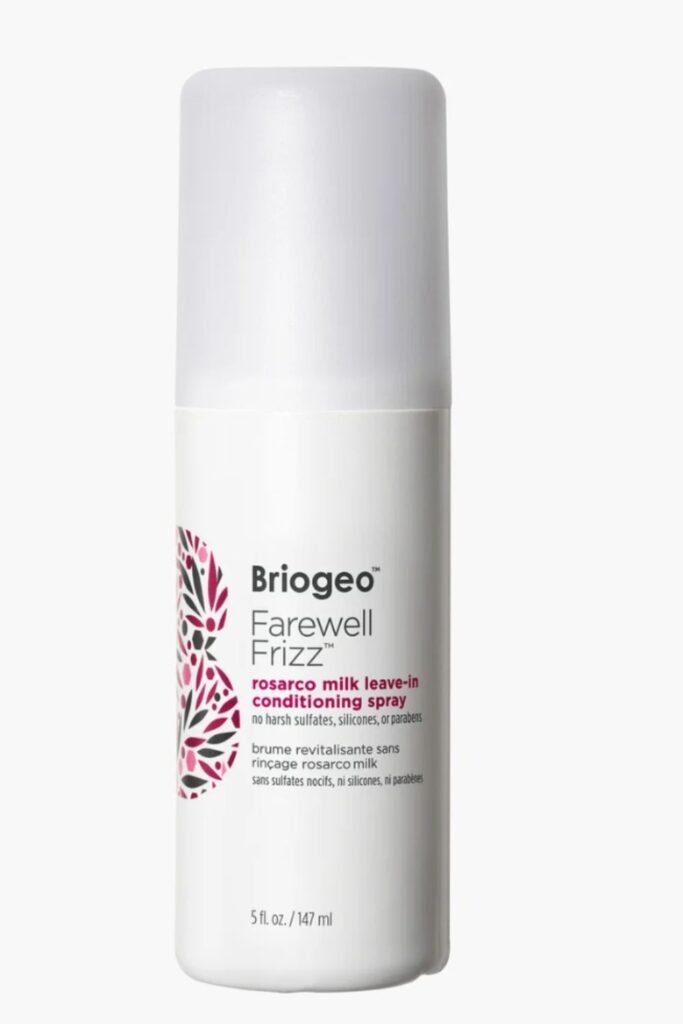
Briogeo – Farewell Frizz Rosarco Milk Leave-In Conditioning Spray
You don’t need to use all of these products at once. The sweet spot is picking one gentle shampoo, one mask suited to your level of damage, a conditioner, and a protective leave-in.
Consistency and cutting back on heat and mechanical stress matter just as much as the products themselves when it comes to gradually getting your hair back to a healthier place.
Lush also has some really solid options. I put together a post with my favorites here.
Step-by-step routine to revive your hair in 4 weeks
Restoring your hair after summer takes an organized, logical, consistent approach. Over the next four weeks, I’d recommend following this four-step protocol designed to work together.
Step 1: Gentle, sulfate-free cleansing
The first mistake we make after summer is reaching for a harsh, stripping shampoo to get rid of that dirty or salty feeling. This only makes things worse by destroying whatever protective lipid layer the hair fiber has left.
Swap your regular shampoo for a vegan option formulated with gentle coconut-derived surfactants, like Sodium Cocoyl Isethionate or Coco-Glucoside. These ingredients effectively remove buildup, chlorine residue, and oil without drying out the fiber.
Apply a small amount of shampoo only to the roots and scalp. Massage gently with your fingertips in circular motions for a couple of minutes to stimulate blood flow. Silicone scalp brushes like these are great for this.
Don’t rub the mids and ends together. Just let the lather slide down during rinsing and they’ll come out perfectly clean.
Step 2: Intensive repair with a hair mask
With clean hair, after blotting out excess moisture with a soft microfiber towel or a cotton t-shirt, it’s time for the concentrated treatment.
Take a generous amount of a vegan mask rich in hydrolyzed plant proteins and nourishing oils. Spread it evenly from mid-lengths to ends, staying off the scalp so you don’t weigh down the roots.
To make sure every strand gets its dose of nutrients, distribute the product with a wide-tooth comb or just your fingers.
Let the mask sit for at least 15 minutes (if you have time, you can go up to 30). To multiply its effectiveness, wrap your hair in a warm damp towel or pop on a shower cap.
The gentle heat will slightly lift the cuticle, allowing the ingredients to penetrate deeper.
Step 3: Conditioner to seal and lock in moisture
There’s a common misconception that if you use a mask you can skip the conditioner. But these two products actually serve completely different purposes in a hair routine.
While the mask penetrates the inner layers delivering water, lipids, and proteins, conditioner has a slightly more acidic pH specifically designed to smooth and close the outer cuticle scales.
That way, the nutrients the mask deposited stay locked inside the strand instead of washing right out during the next rinse.
Apply a lightweight vegan conditioner from mids to ends, let it sit for two minutes, and rinse with plenty of warm water. If you’re up for it, do a final cool-water rinse to seal the cuticle as tightly as possible and boost natural shine.
Step 4: Leave-in protection and sealing
The last step happens outside the shower, before you style or blow-dry. With your hair still damp, apply three to four drops of a concentrated vegan serum or a leave-in styling cream.
Focus on the ends and wherever you see the most frizz. This product acts as a protective layer against humidity changes in the air, keeps frizz at bay throughout the day, and leaves your ends soft and manageable, dramatically cutting down on knots and tangles.
A breakdown of vegan product formats to choose from
The natural beauty market offers a wide range of formats tailored to different preferences and hair types. Here are several options to help you figure out which one fits you best.
Nourishing shampoo bar
The solid format has gained well-deserved popularity, not just for its eco-friendly, plastic-free profile, but because the ingredients are so concentrated.
Since there’s no water in the formula, each bar is packed with plant butters (like cocoa or shea) and pure oils. It’s the perfect pick if you want a gentle, environmentally conscious wash that also lasts forever and travels well for trips or the gym.
If you’re feeling adventurous, you can even make your own customized to your liking.
Restructuring protein mask
Usually sold as a thick cream in glass jars or recycled plastic, this type of mask combines hydrolyzed amino acids with deep botanical extracts.
It’s especially suited for hair that’s been heavily damaged by coloring, bleaching, or prolonged sun exposure. Using it consistently once or twice a week helps restore elasticity and rebuild lost hair mass.
Concentrated plant oil serum
Formulated as a balanced blend of lightweight oils like argan, jojoba, sesame, or olive-derived squalane. Unlike synthetic silicones that coat the hair in an impermeable plastic-like layer, real plant oils gradually penetrate the strand, delivering actual nutrients and a genuine shine that doesn’t wash away.
Scalp exfoliant or detox treatment
A paste or gel that incorporates fine natural exfoliating particles (like ground seeds or gentle sea salts) along with purifying essential oils such as tea tree or peppermint.
Use it once every two weeks before shampooing to unclog follicles from buildup, dead skin cells, and sunscreen residue, leaving your roots feeling instantly fresh and light.
Daily habits that speed up your hair’s recovery
Having the best vegan products on the market is a key piece of the puzzle, but if your daily habits are still rough on your hair, you’ll be undoing the benefits.
A few small adjustments to your everyday routine will massively speed up the repair process.
Change how you towel-dry your hair
Wet hair is fragile and prone to breakage because the hydrogen bonds in its structure are temporarily weakened.
Traditional terry cloth towels have rough loops that snag the cuticle and tear it when you vigorously rub your head.
Get in the habit of drying your hair by wrapping it in a high-density microfiber towel, or a clean soft cotton t-shirt. Gently press section by section so the fabric absorbs the excess water without creating friction or frizz.
Switch to satin or plant-based silk pillowcases
We spend a third of our lives sleeping, and during those hours our heads are constantly moving against the pillow. Traditional cotton pillowcases absorb your hair’s natural oils and moisture overnight, creating constant friction that roughs up, tangles, and breaks the strand.
Swapping your cotton pillowcase for one made of satin or silk lets your hair glide smoothly through the night.
You’ll wake up in the morning with noticeably smoother, softer hair and way less frizz.
Ease up on heat styling tools
During those first few weeks of post-summer recovery, try to give your flat iron, curling iron, and blow dryer on high heat a rest.
If you need to blow-dry, always use the concentrator nozzle, select a medium or cool setting, and keep the dryer at least six inches away from your hair.
Before applying any heat source, it’s a really good idea to use a vegan heat protectant. These products contain botanical ingredients that form an insulating barrier on the hair’s surface, distributing heat evenly and preventing the internal moisture from boiling off and destroying the strand’s structure.
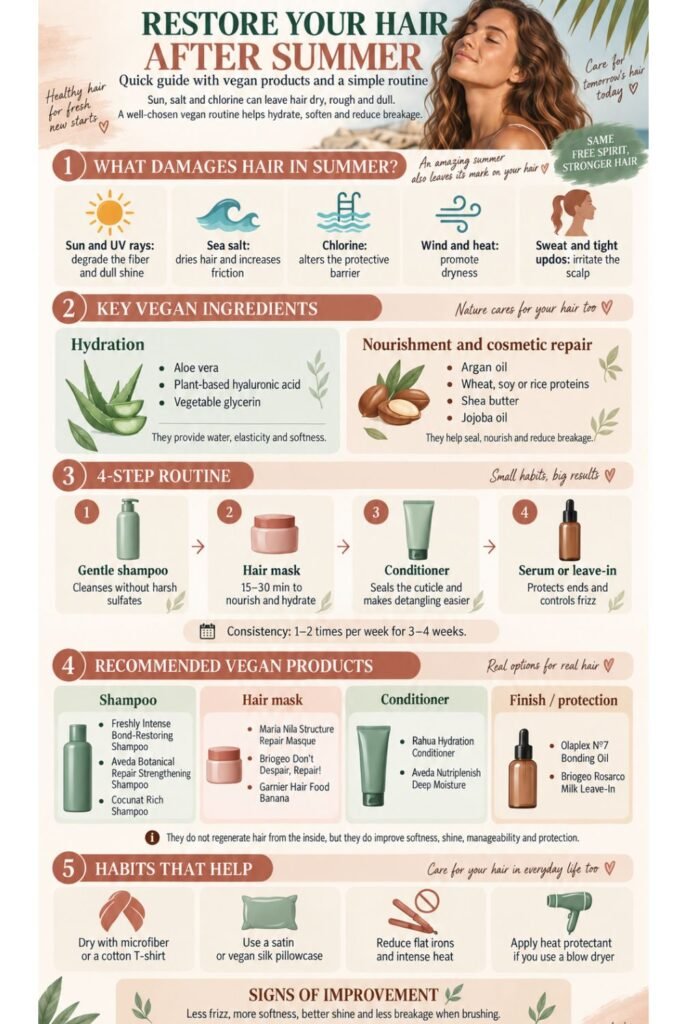
Post-summer hair recovery (illustrative infographic)
Frequently asked questions about post-summer hair care
How long does it take for hair to get its softness and shine back after summer?
If you follow a consistent hydrating and nourishing repair routine once or twice a week, you’ll start seeing a visible improvement in texture and manageability from the very first session.
However, deeply restructuring the inner layers of the hair fiber and locking in lasting results typically takes a steady three to four weeks of consistent care.
Can I use vegan products alongside salon treatments?
Absolutely. Vegan products don’t conflict with professional treatments like organic straightening, hair botox, or coloring. In fact, since they’re free of harsh sulfates and heavy silicones, vegan hair care can help keep the hair fiber clean and balanced, which may actually extend the life of professional treatments.
Do vegan shampoo bars clean as well as traditional liquid shampoos?
Yes, they clean just as effectively. A well-formulated vegan shampoo bar contains the same cleansing agents as a liquid shampoo, with the advantage of being more concentrated since there’s no water in the formula.
Just wet the bar, rub it gently between your wet hands to build a creamy lather, and apply it to your scalp.
How can I tell if my hair needs moisture or protein?
Figuring it out is pretty straightforward if you pay attention to how your hair behaves:
If your hair feels rough to the touch, has no shine, tangles instantly, and looks dull, what it’s asking for is moisture (water and humectants like aloe vera).
If your hair snaps when you brush it, the ends are visibly split, it feels stiff and has lost its elasticity, it needs nourishment and protein repair (lipids, rich oils, and plant proteins).
How did your hair hold up this summer? Do you have a favorite vegan ingredient or trick that saves your hair this time of year?
I’d love to read your thoughts, questions, and recommendations in the comments so we can all share what’s working. See you down there!